What is Tarot Divination? Exploring the Mirror of the Mind
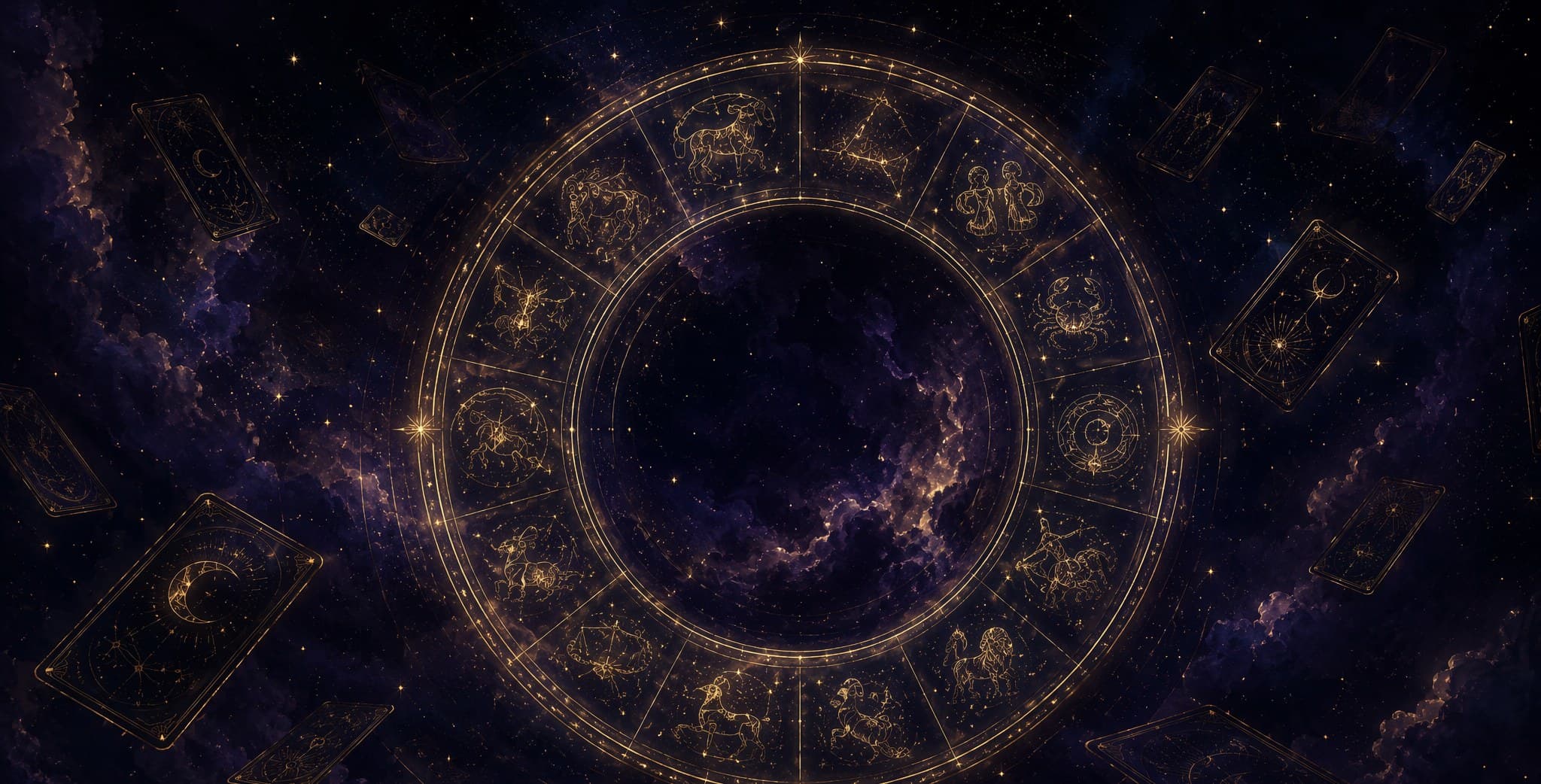
In Western mysticism, Tarot cards are not merely tools for predicting fate; they act as a mirror reflecting human subconsciousness and mental states. Instead of providing deterministic predictions of a set destiny, Tarot utilizes rich, symbolic imagery to help us step back, view our current situation objectively, and connect with our inner wisdom.
When you face relationship struggles, career stagnation, or spiritual dilemmas, drawing a few cards on our Online Tarot platform can offer unexpected and clarifying insights.
1. The Structure of Tarot: Major and Minor Arcana
A standard Rider-Waite-Smith Tarot deck consists of 78 cards, divided into two primary sections:
Major Arcana — 22 Cards
The Major Arcana (from 0 "The Fool" to 21 "The World") represent major life lessons, stages of soul development, and macro cosmic energies.
- When you draw a Major Arcana card, it signifies that the current situation involves a key turning point, major spiritual growth, or external cosmic forces that you must adapt to.
- For example: "The Fool" represents new beginnings, risk-taking, and trust; "Death" represents the ending of the old and the rebirth of the new; "The Wheel of Fortune" represents cycles, change, and opportunity.
Minor Arcana — 56 Cards
The Minor Arcana represent the concrete details of daily life, emotional fluctuations, interpersonal dynamics, and action energies. They are divided into four suits (elements), with 14 cards in each suit (numbered 1-10 plus four court cards):
- Wands (Fire Element): Represent action, passion, inspiration, willpower, and challenges.
- Cups (Water Element): Represent emotions, relationships, intuition, feelings, and love.
- Swords (Air Element): Represent intellect, logic, conflicts, decisions, and mental states.
- Pentacles (Earth Element): Represent material affairs, finances, career, health, and stability.
2. The Classic Three-Card Spread: Past, Present, and Future
While there are many complex card layouts, the most classic and powerful spread for daily guidance and exploring specific questions is the Three-Card Spread.
On our Online Tarot platform, we utilize this classic spread to break down your inquiry:
| Position | Symbolic Meaning | Analytical Focus |
|---|---|---|
| First Card: Past | The background of the issue, old habits, or past influences. | Helps clarify: "How did I arrive at this point?" |
| Second Card: Present | Your current core state, immediate challenges, or active energies. | Helps clarify: "What do I truly need to face right now?" |
| Third Card: Future | The most likely outcome and action advice if current patterns continue. | Offers inspiration: "In what direction should I adjust my efforts?" |
These three cards are not isolated; they connect sequentially to construct a micro-narrative of your energy flow.
3. Upright and Reversed: Two Facets of Energy
The orientation of the card when flipped carries vital information:
- Upright: The card faces you normally. It represents the core energy of the card expressing itself in a direct, balanced, and manifest manner.
- Reversed: The card is upside down. It indicates that the card's energy might be blocked, excessive, deficient, internalized, or needing re-evaluation.
- Debunking a Myth: A reversed card does not simply mean "bad luck." For instance, "The Tower" upright represents sudden disruption, while reversed might signify the aftermath of a shake-up, or that you are resisting a necessary change.
4. What Questions are Best Suited for Tarot?
Unlike Liu Yao, which focuses on the "objective success or failure of events," Tarot is better suited for questions related to emotions, psychological states, relationships, and self-exploration.
Ideal Questions:
- Relationships: "What is our current relationship dynamic? How will it develop over the next three months?" "What blind spots do I have in this relationship?"
- Self-Discovery: "Faced with my current career burnout, what is my true inner desire?" "What life lesson do I need to focus on right now?"
- Mental States: "Why do I feel so anxious about making this choice? What advice can guide me?"
5. Harnessing Strength from Your AI Tarot Report
By combining Tarot symbols with your specific question, the AI provides a personalized and empathetic interpretation. When reading your report, try the following tips:
- Observe the Imagery: Before reading the text, look at the card illustrations (e.g., the cliff in The Fool, the gathering in Three of Cups). These visual symbols speak directly to your intuition.
- View it as a Mirror: If the report resonates with you, it means the cards are in sync with your subconscious. If parts of it differ from your expectations, use it as an opportunity to examine your assumptions.
- Put it into Action: The action guide at the end of the report is the key to turning symbolic insights into real-life changes. Taking even a small step can redirect the "future" indicated by the cards.
Please note: The interpretations discussed in this article are for spiritual inspiration and entertainment purposes only, and do not constitute scientific fact or professional medical, legal, or financial advice. For critical decisions in these areas, please consult qualified professionals.
Have a question?
Whether you need the trend-focused structure of Liu Yao or the inner mirror of Tarot, a reading can help you examine the question from another angle.